
Informative
Ancient Egypt: A Civilization Built on the Nile and Time Itself


Ancient Egypt: A Civilization Built on the Nile and Time Itself
When people think of ancient civilizations, Egypt almost always tops the list—and for good reason. Stretching back more than 5,000 years, ancient Egypt was one of the longest-lasting and most influential civilizations in human history. From towering pyramids to intricate writing systems, Egypt mastered the art of permanence.
Where It All Began
Ancient Egypt emerged along the fertile banks of the Nile River in northeastern Africa. The Nile wasn’t just a river—it was the backbone of Egyptian life. Its predictable annual floods deposited rich silt along the floodplain, making agriculture reliable and productive in an otherwise harsh desert landscape.
This natural stability allowed Egyptian society to grow steadily rather than collapse and restart, which explains why Egyptian culture remained remarkably consistent over thousands of years.
From Villages to a Unified Kingdom
Before Egypt became a unified state, the region was home to many prehistoric cultures such as the Badarian, Amratian (Naqada I), and Gerzean (Naqada II) cultures. These early societies developed farming, pottery, tools, and trade networks long before pharaohs ruled.
Around 3000 BCE, Egypt was unified—traditionally credited to Narmer (also known as Menes)—marking the start of dynastic Egypt and centralized rule.
The Age of the Pharaohs
Egyptian kings, later known as pharaohs, were believed to be divinely appointed guardians of order, or maʿat. Society was structured like a pyramid:
-
Gods at the top
-
Pharaoh as divine ruler on Earth
-
Elite officials and priests
-
Scribes and craftsmen
-
Farmers and laborers
Despite this hierarchy, slavery was relatively uncommon compared to other ancient civilizations, and women enjoyed legal rights unusual for the ancient world—including owning property and initiating divorce.
Writing, Knowledge, and Power
Egypt developed one of the world’s earliest writing systems: hieroglyphs, alongside a cursive form known as hieratic. Writing was mainly used for administration, religion, and monumental inscriptions, and literacy was limited to a small elite of scribes.
This control of writing helped centralize power and preserve Egypt’s cultural identity for millennia.
Monumental Achievements
Egypt’s most enduring legacy is its architecture. The Great Pyramids of Giza, built during the Old Kingdom, remain unmatched symbols of ancient engineering. Temples, tombs, statues, and reliefs were designed not just for beauty, but for eternity.
Art followed strict conventions—figures were idealized, proportions symbolic, and scenes carefully ordered to reflect cosmic balance rather than everyday reality.
Religion and the Afterlife
Religion permeated every aspect of Egyptian life. The Egyptians believed deeply in the afterlife, which is why so much effort went into tombs, mummification, and funerary texts like the Book of the Dead. Death was not an end, but a transition.
Trade, Innovation, and Daily Life
Although Egypt was largely self-sufficient, it traded extensively with regions such as Nubia, the Levant, and Anatolia. Gold, papyrus, grain, and crafted goods flowed outward, while timber, lapis lazuli, and obsidian came in.
Most Egyptians lived in small villages, farming wheat and barley, raising animals, fishing the Nile, and crafting tools from stone and copper. Their daily lives were modest—but they lived in one of the wealthiest states of the ancient world.
Why Ancient Egypt Still Matters
Ancient Egypt didn’t just survive—it endured. Its ideas about kingship, writing, architecture, medicine, and religion influenced neighboring civilizations and still fascinate us today. Even now, discoveries continue to reshape what we know about this extraordinary culture.
More than monuments and mummies, ancient Egypt represents humanity’s early mastery of organization, belief, and long-term vision.


Top 10 Things to Do in Dallas in 2026 — Your Ultimate Guide
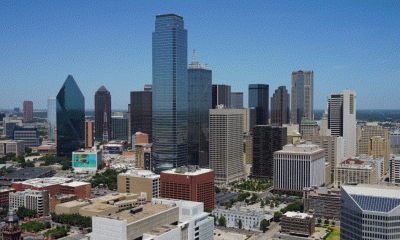
Dallas is a city full of energy, culture, and history, making it a fantastic destination for visitors in 2026. With world-class attractions, scenic outdoor spaces, and vibrant neighborhoods, there is something for everyone to enjoy.
Start your visit with a trip to Reunion Tower, one of the most iconic landmarks in the city. From the observation deck, you can enjoy sweeping 360-degree views of the Dallas skyline, especially beautiful at sunset. It is a perfect place to get your bearings and take amazing photographs.
Next, head to the Dallas Zoo, the largest zoo in Texas. It is home to hundreds of species from around the world and offers interactive exhibits that are fun and educational for both children and adults. Walking through the different habitats, you can see lions, giraffes, elephants, and exotic birds in beautifully designed enclosures.
For a closer look at unique wildlife and ecosystems, the Dallas World Aquarium is a must-see. This indoor aquarium features rainforest exhibits and aquatic life from oceans and rivers across the globe. You can see colorful birds, sea turtles, and sharks, all in immersive environments that feel like stepping into another world.
Art lovers should not miss the Dallas Museum of Art, which houses more than twenty-four thousand works ranging from ancient artifacts to contemporary masterpieces. Admission to the museum is free, allowing you to explore a variety of galleries without worrying about a ticket. Special exhibitions often feature international artists and unique installations.
History enthusiasts will find the Sixth Floor Museum at Dealey Plaza fascinating. The museum chronicles the life, assassination, and legacy of President John F Kennedy. With multimedia exhibits, photographs, and historical artifacts, it provides a detailed and thought-provoking look at one of the most significant events in American history.
The Perot Museum of Nature and Science is another highlight of Dallas, especially for families. The museum features hands-on exhibits covering topics like dinosaurs, space exploration, geology, and robotics. Interactive demonstrations make learning fun and engaging, making it a memorable experience for visitors of all ages.
If you prefer outdoor activities, Klyde Warren Park in downtown Dallas offers a lively urban green space. Built over a freeway, the park hosts food trucks, fitness classes, concerts, and games. It is a great place to relax, enjoy local cuisine, or simply watch the city buzz around you.
White Rock Lake is perfect for those who love nature. You can take a walk, go jogging, rent a kayak, or enjoy a peaceful picnic by the water. The lake is surrounded by trails and scenic views, providing a tranquil escape from the busy city streets.
The neighborhoods of Deep Ellum and the Bishop Arts District are full of energy and creativity. Known for street art, live music, and independent shops, these areas are ideal for exploring local culture and tasting some of Dallas’s best food. Street performances and art installations create a lively atmosphere that captures the essence of the city.
Finally, the Dallas Arboretum and Botanical Garden is a beautiful place to visit any time of the year. With seasonal flowers, landscaped gardens, and spectacular views of White Rock Lake, it is perfect for leisurely walks and photography. The garden often hosts events and exhibits that showcase art, horticulture, and culture in inspiring ways.
Visiting Dallas in 2026 also offers opportunities to attend exciting events like the Dallas International Film Festival in April and various seasonal festivals across the city. With a combination of history, culture, nature, and entertainment, Dallas provides a diverse and unforgettable travel experience.

Make It Stick: Tips for Keeping Your Resolution and Going Green in 2026
Living in Dallas doesn’t always feel like a leafy, eco-friendly dream. Our city is about ambition, big highways, and chasing the next big thing. But lately, a quieter trend is emerging: a movement toward sustainability. And good news—you don’t need to move off the grid to join in.
Here’s your practical guide to making small, sustainable changes in Dallas—one doable step at a time.
Tame Your Trash
Start with your trash can. Cutting waste isn’t about strict recycling rules—it’s about smart, everyday choices. Carry a reusable water bottle and coffee cup. You’ll save money, reduce single-use plastics, and maybe feel a little smug (in a good way).
Take it further by visiting refill stations like Usefull in Oak Cliff to top off shampoo, detergent, and cleaning supplies. Bring your own bags to Central Market or Sprouts, and remember Dallas has drop-off points for electronics, chemicals, and other hard-to-recycle items. Small effort, big impact.
Eat and Drink with Purpose
Supporting sustainable businesses is one of the tastiest ways to make a difference. Swap your usual drive-thru for plant-based spots like Casa Del Vegano in Oak Cliff or Nuno’s Tacos & Vegmex Grill. Plant-forward meals often have a smaller carbon footprint and are great for your body too.
Rooftop gardens like Herb N’ Jungle at the Sheraton Hotel produce local herbs, lemons, peppers, and more. And don’t forget the Dallas Farmers Market—buying local produce supports small farms and cuts down on shipping emissions.
Bring Green Indoors
You don’t need a backyard to cultivate nature. Even a few pots on your balcony can improve air quality and mental health. Oasis Plant Shop in Bishop Arts is perfect for beginners and seasoned plant parents alike. For a caffeine boost, check out Denton’s Brown Thumb, where you can grab a matcha latte alongside your new plant friend.
If you have space, mark your calendar for North Texas Tree Day in early November. Planting a tree is a simple, optimistic way to give shade and clean air to future generations.
Explore Dallas’ Green Spaces
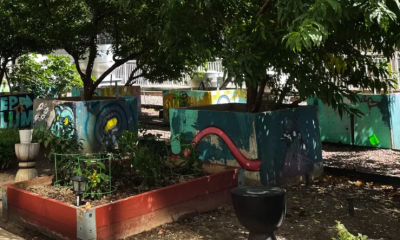
Reconnect with nature right here in the city. Swap the car for a hike at the Trinity River Audubon Center, challenge yourself on Cedar Ridge Preserve, or spot wildlife along the Northaven Trail. For a more relaxed stroll—or even a date—try the Katy Trail.
Spending time outdoors reminds us why sustainability matters. Going green in 2026 isn’t about perfection—it’s about small, everyday choices that connect you to your city, your community, and the environment.


Ancient Egypt: A Civilization Built on the Nile and Time Itself

AI-Only Social Network Moltbook Draws Global Attention—and Raises New Questions

Top 10 Things to Do in Dallas in 2026 — Your Ultimate Guide

আমরা একটি সুন্দর, শান্তিপূর্ণ ও সুষ্ঠু নির্বাচন প্রত্যক্ষ করেছি: জবি শিক্ষক সমিতির সভাপতি

Bangladesh will avoid playing its T20 World Cup matches in India due to security concerns
Top 10 Things to Do in Dallas in 2026 — Your Ultimate Guide
-
 Politics2 months ago
আমরা একটি সুন্দর, শান্তিপূর্ণ ও সুষ্ঠু নির্বাচন প্রত্যক্ষ করেছি: জবি শিক্ষক সমিতির সভাপতি
-
 Entertainment2 months ago
Bangladesh will avoid playing its T20 World Cup matches in India due to security concerns
-
 Entertainment2 months ago
Top 10 Things to Do in Dallas in 2026 — Your Ultimate Guide
-
 Tech1 month ago
AI-Only Social Network Moltbook Draws Global Attention—and Raises New Questions
-

 Politics2 months ago
Trump issues warning to Colombia’s Petro, claims Cuba appears on the brink of collapse
-
 Informative2 months ago
Make It Stick: Tips for Keeping Your Resolution and Going Green in 2026